If you own an empty lot, a hillside parcel or a few acres you plan to build on someday, vacant land insurance in California probably isn't the first thing on your mind. There's no house on it. Nothing to burn, nothing to steal. So what is there to insure?
Here's the short answer: you're not insuring the dirt. You're insuring yourself. If someone gets hurt on your land and blames you, the claim follows the owner, whether or not you've set foot on the property this year. Vacant land insurance is a liability policy that pays for your legal defense and, if you're found responsible, the damages, up to the policy limits.
Let's walk through what it covers, when California law puts you on the hook, and how to decide if you need it.
What is vacant land insurance?
Vacant land insurance is liability coverage for land with nothing built on it. It doesn't cover the land itself, because bare ground generally can't be damaged the way a building can. It covers claims made against you by other people.
A typical policy can help pay for:
Bodily injury to someone who is hurt on your land
Property damage you're held responsible for
Legal defense, including attorney fees and court costs, even when the claim has no merit
Settlements and judgments, up to your policy limit
What it usually doesn't cover:
Injuries you cause on purpose
Injuries to you or members of your household
Injuries to people working for you, which is a workers' compensation question
Buildings, equipment or anything else stored on the land
Business activity on the land, unless the policy is written for it
Every carrier writes this a little differently, so the details depend on the policy you choose.
Vacant land insurance in California: when are you liable?
California doesn't require you to insure vacant land. But state law does hold property owners responsible for how they manage what they own.
The basic rule is in Civil Code Section 1714: everyone is responsible for an injury caused by a lack of ordinary care in the management of their property. California courts apply that standard to land without sorting people into neat boxes like "guest" and "trespasser." The question is whether you acted reasonably given what you knew or should have known. That means an uninvited person can still bring a claim. Whether it succeeds depends on the facts.
The recreational use rule
There is some protection for owners. Under Civil Code Section 846, a landowner generally owes no duty to keep land safe for people who enter for a recreational purpose, such as hiking, riding, camping or sightseeing, and no duty to warn them about hazards.
But the law lists exceptions. The protection doesn't apply when:
You willfully or maliciously fail to guard or warn against a dangerous condition
You were paid to let the person use the land
You expressly invited the person, as opposed to simply allowing them
So the law helps, but it doesn't make you lawsuit-proof. And even a claim you would win still has to be defended. That is a big part of what the policy is for.
Who needs vacant land insurance?
You should look at coverage if you own land that is:
Held as an investment, waiting on the market or on a buyer
Set aside for a future home or building, with permits and plans still months or years out
Inherited, especially a parcel you rarely visit
Used informally by other people, like neighbors who cut across it, kids on bikes, hikers or off-road riders
An empty lot in a built-up neighborhood, where foot traffic is constant
Home to something risky, like a steep slope, an old well, a pond, a ditch, dead trees or leftover debris
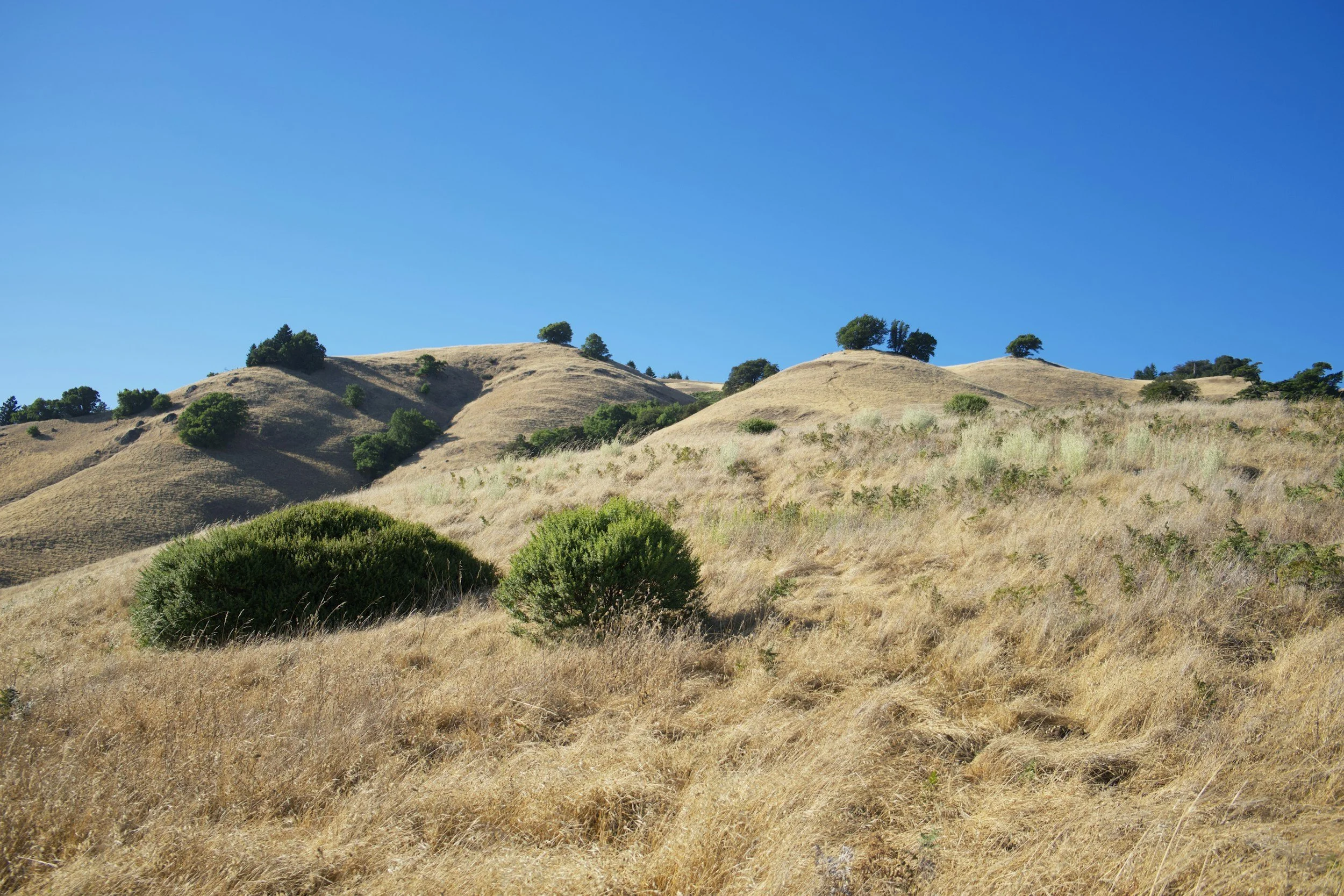
A quick example. Say you own a hillside lot in Malibu that you plan to build on in a few years. People in the neighborhood have been using a worn path across it to reach a trailhead. One afternoon a walker steps into a washed-out section, falls and breaks a wrist. A few months later you get a letter from an attorney. Whether you're actually liable will turn on the details, but you'll need a lawyer either way. With a vacant land policy, your insurer steps in to handle the defense.
Doesn't my homeowners policy already cover my land?
Maybe, and it's worth checking before you buy anything.
Many standard homeowners forms extend your personal liability coverage to vacant land you own, as long as it isn't farm land. But not every policy is written that way, and the extension can stop applying when:
The land is farmed, leased out or used for business
There's a structure on it, even an old shed or barn
The land is owned by an LLC, a trust or a partnership that isn't the named insured on your home policy
You don't have a homeowners policy at all, for example because you rent
If any of those describe you, a separate vacant land policy is usually the cleaner answer. If you carry a personal umbrella policy, ask whether the land needs to be listed on it too.
The local angle: Orange County, Los Angeles and throughout California
A few things make this coverage more relevant here:
Land is expensive, and so are lawsuits. Owners in Orange County, Los Angeles and throughout California tend to have more assets at stake, which makes them a bigger target when someone is hurt.
Hillsides and canyons. Slopes, loose soil and runoff after winter storms create hazards that flat lots don't have.
Brush clearance still applies. Owning bare land doesn't excuse you from fire rules. In Los Angeles County, for example, the Defensible Space Program covers both improved and unimproved properties and can require you to clear hazardous vegetation. Check with your local fire agency for the rules on your parcel.
People find empty land. In dense areas, open lots attract shortcuts, dumping and off-road riding, whether you allow it or not.
How to lower your risk
Insurance is one layer. A few habits help too:
Walk the property at least a couple of times a year, and after big storms.
Fix or fence obvious hazards, like open holes, old wells, unstable structures and debris.
Post clear signs and keep gates or barriers in good repair.
Keep up with brush and weed clearance.
Be careful about permission. Remember that the recreational use protection doesn't apply to people you expressly invite or charge.
Keep notes and photos of what you've done. They help if a claim ever comes up.
Planning to build?
Your insurance should change as the land does. Vacant land coverage fits while the lot sits empty. Once construction starts, you'll need course of construction insurance for the building in progress. When the work is finished, you move to a homeowners or commercial property policy. Tell your agent before you break ground, so there's no gap between one stage and the next.
Frequently asked questions
Is vacant land insurance required in California?
No. State law doesn't require it. A lender, a homeowners association or a lease agreement might, and the liability exists whether you insure it or not.
Can a trespasser sue me if they get hurt on my land?
They can bring a claim. California looks at whether you used ordinary care in managing your property, and the recreational use law gives owners some protection. The outcome depends on the facts, but defending even a weak claim costs money.
Does vacant land insurance cover damage to the land?
Generally no. It's liability coverage for injuries and damage to other people. If you have a fence, a shed or equipment on the land, ask about coverage for those separately.
What if I lease my land or let someone use it?
Tell your agent. Leasing, farming, parking, storage or events can change the kind of policy you need. You may need a different form of general liability insurance, and the person using the land may need their own coverage as well.
How much does vacant land insurance cost?
It depends on the size and location of the parcel, how it's used, the hazards on it and the limits you choose. It's usually one of the more affordable policies a property owner can buy. We'll get you real quotes instead of guesses.
How Beyond Your Insurance helps
We're not a call center. We're not a cookie-cutter agency. As an independent agency serving Orange County, Los Angeles and throughout California, we'll ask how you actually use your land, check whether your current policies already extend to it, and compare options from multiple carriers so you're not paying for coverage you don't need or missing coverage you do.
You can read more on our vacant land insurance page.
Ready to see your options? Beyond Your Insurance compares coverage from multiple top carriers to find the right fit for you. Get a free quote or call/text 714.893.0250.
Beyond Your Insurance Services, Inc. · CA Lic# 0F74418 · Serving Orange County, Los Angeles and throughout California
This article is for general information only and isn't legal or financial advice. Coverage varies by policy and carrier — talk to a licensed agent about your situation.