

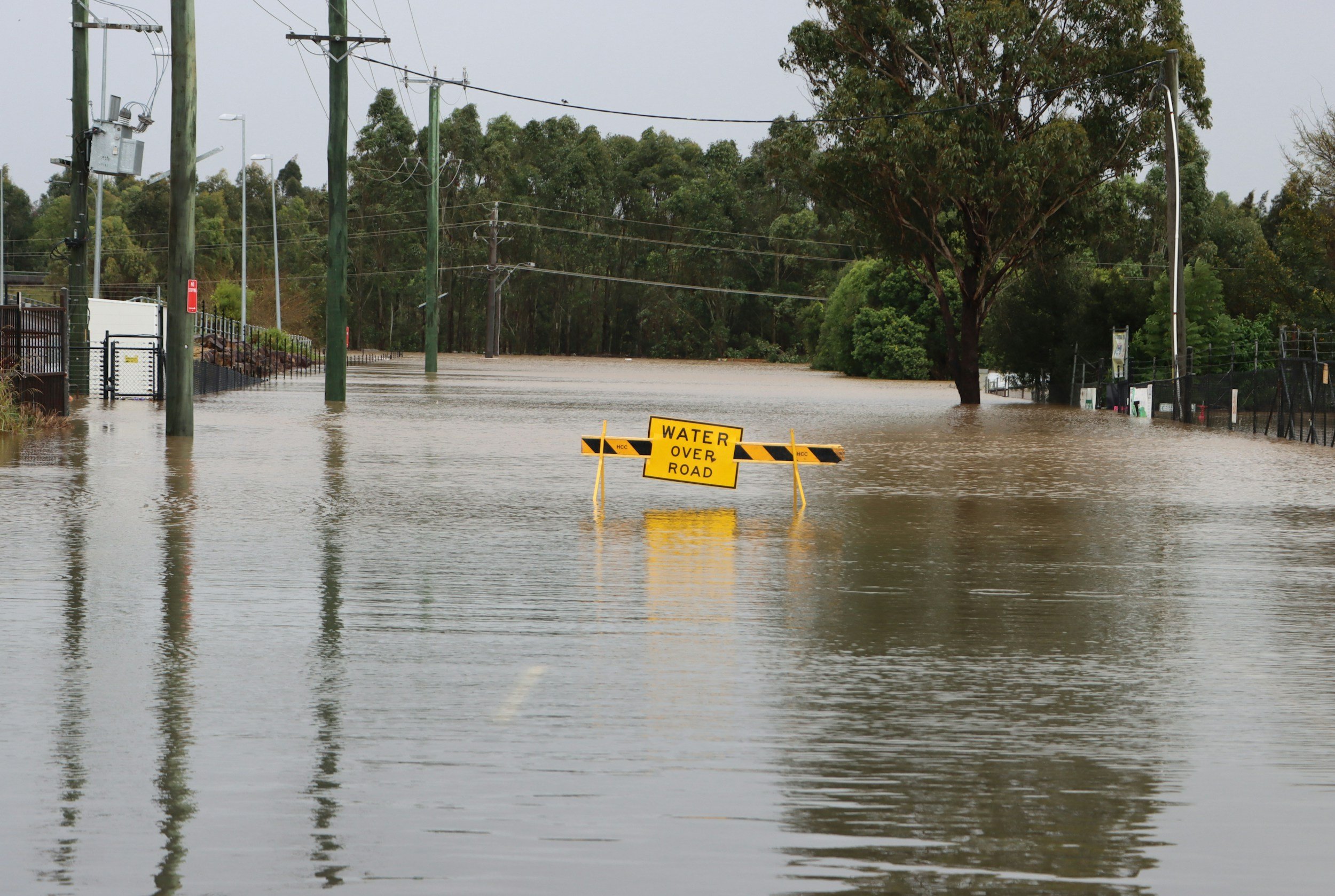
If you own or rent a home here, you've probably wondered whether flood insurance in Orange County is really worth it. We don't get hurricanes. Most years we barely get rain. And nobody at closing told you that you had to buy it.
Here's the short answer: your homeowners policy almost certainly does not cover flood damage, and you don't have to live next to a river or the beach to end up with water in your living room. Whether you need a flood policy depends on where your home sits, whether your lender requires it, and how much of a repair bill you could handle on your own.
Let's walk through it in plain English so you can decide before the next big storm, not during it.
Does homeowners insurance cover flooding?
No. This is the part that catches people off guard. The California Department of Insurance lists flood, earth movement, landslide and mudflow among the standard exclusions in a homeowners policy. FEMA puts it more bluntly: many owners don't find out their homeowners insurance doesn't cover flooding until it's too late.
It helps to know how insurers separate two kinds of water damage:
Water that starts inside your home. A burst pipe or a failed water heater is typically the kind of sudden, accidental damage a homeowners policy is built for. We cover that in detail in Does Homeowners Insurance Cover Water Damage?
Water that comes from outside and rises. Storm runoff coming under the door, an overflowing channel, a street that turns into a creek. That's flood, and it takes a separate flood policy.
The same goes for renters insurance and most business property policies. If rising water is the cause, you generally need flood coverage to be paid for it.
Who actually needs flood insurance in Orange County?
If your lender requires it
Federal rules require flood insurance on homes in a Special Flood Hazard Area (the high-risk zones on FEMA's flood maps) when the home secures a loan from a federally regulated lender. If that's you, your lender will tell you before closing, and the coverage isn't optional.
If you're outside a high-risk zone
This is where most Orange County homeowners sit, and where the decision is yours. Being outside a mapped flood zone means your risk is lower, not zero. According to FEMA, about one-third of National Flood Insurance Program claims from 2013 to 2023 came from properties outside high-risk flood areas.
Flood maps also can't predict a clogged storm drain, a new development uphill that changes how water runs, or a hillside that burned last summer.
If you rent
Your landlord's policy covers the building, not your belongings. Renters can buy a contents-only flood policy to protect furniture, electronics and clothing.
If you own a business
A restaurant, shop or office at street level has inventory, equipment and build-outs sitting right where water goes first. Flood coverage is available for non-residential buildings and their contents too.
The Orange County angle: why "it never rains here" isn't the whole story
Orange County has a long history with water. OC Public Works notes that before major channel improvements and the construction of Seven Oaks Dam and Prado Dam, the Santa Ana River was the most significant flood threat in the county. Those projects made a real difference, but they didn't remove the risk.
A few things make our area different:
Burn scars. After a wildfire, bare hillsides shed water instead of absorbing it. OC Public Works warns that fires in canyon areas have left communities vulnerable to dangerous post-fire debris flows. If you live below a canyon or a recently burned slope, a moderate storm can do serious damage.
Intense, short storms. When we do get rain, we tend to get a lot of it at once, on ground and streets that aren't built to soak it up.
Coastal and low-lying neighborhoods. Parts of Newport Beach, Huntington Beach and Seal Beach sit close to sea level, where high tides and heavy rain can team up.
This winter's forecast. In September 2026, the California Department of Insurance issued a consumer alert urging Californians to review their coverage and consider flood insurance ahead of what state officials described as a likely historic El Niño season.
A quick example. Picture a family in a single-story home in Fountain Valley, well outside any mapped high-risk zone. During an overnight storm, the street drain backs up and a few inches of muddy water comes in through the garage and across the first floor. Flooring, baseboards, drywall and furniture all need to be replaced. Their homeowners policy doesn't respond because the water came from outside. With a flood policy in place, they'd have a claim to file. Without one, the repair comes out of savings.
What about mudslides after a wildfire?
This one is a little different in California. Homeowners policies generally exclude mudflow, mudslide and debris flow. But the Department of Insurance says that if a wildfire, which is a covered peril, was the "efficient proximate cause" of the mudslide or debris flow, your homeowners policy may cover the damage. If you're ever in that situation, file the claim, and ask the Department of Insurance to review it if it's denied.
What flood insurance covers, and what it costs you to wait
Most flood policies in California are written through the National Flood Insurance Program (NFIP), which is backed by FEMA. Private flood insurance is also available and can be a good fit for some homes.
NFIP policies have maximum limits:
Homes and condo units: up to $250,000 for the building and up to $100,000 for contents
Renters: up to $100,000 for contents
Non-residential buildings: up to $500,000 for the building and up to $500,000 for contents
Building and contents coverage are purchased separately, so make sure you're choosing both if you want both. If your home would cost more than $250,000 to rebuild, ask us about private flood options or additional coverage above the NFIP limit.
The 30-day waiting period
This is the detail that matters most right now. An NFIP policy usually takes 30 days to go into effect after you buy it. There are a few exceptions, such as buying a policy in connection with a home loan, but you generally can't buy flood insurance when a storm is already in the forecast and expect it to help.
One more timing note: the NFIP depends on Congress to keep it authorized, and it has been running on short-term extensions. Its authority was most recently set to run through December 11, 2026. If the program lapses, it can't issue new or renewal policies until Congress acts, although existing policies stay in force until they expire. Private flood insurance isn't affected. That's one more reason not to wait until the last minute.
How to check your flood zone
It takes about two minutes:
Go to the FEMA Flood Map Service Center.
Enter your street address and click Search.
Look at the zone shown for your property. Zones starting with A or V are high-risk Special Flood Hazard Areas. Zones X, B and C are moderate to low risk.
If you live in unincorporated Orange County, county staff can also help with a flood zone determination. And of course, we're happy to look it up with you.
Frequently asked questions
Is flood insurance required in Orange County?
Only if your home is in a Special Flood Hazard Area and you have a mortgage from a federally regulated lender. Everyone else can choose to buy it, and many people outside high-risk zones do.
How long does it take for flood insurance to start?
NFIP policies usually have a 30-day waiting period. Exceptions can apply, for example when the policy is purchased as part of a home loan closing. Private flood policies may have different waiting periods depending on the carrier.
Does flood insurance cover mudslides?
It depends on what happened. NFIP policies can cover certain mudflows, but they don't cover landslides or other earth movement. If a wildfire caused the debris flow, your homeowners policy may respond under California's efficient proximate cause rule. Have a licensed agent look at your specific situation.
I'm a renter. Do I need flood insurance?
If you live on a ground floor or in a low-lying area, it's worth a look. Your landlord's policy won't replace your things, and standard renters insurance typically excludes flood.
Is NFIP my only option?
No. Private flood insurance is available in California and may offer higher limits or different features. The right choice depends on your home, your lender and your budget.
How Beyond Your Insurance helps
We're not a call center. We're not a cookie-cutter agency. As an independent agency serving Orange County and Los Angeles, we look at both FEMA-backed NFIP policies and private flood options, then explain the differences in plain English so you can choose what fits.
We'll check your flood zone with you, review what your current homeowners policy does and doesn't cover, and make sure your building and contents limits make sense. You can read more on our flood insurance page, or learn about official program details at FloodSmart.gov.
Ready to see your options? Beyond Your Insurance compares coverage from multiple top carriers to find the right fit for you. Get a free quote or call/text 714.893.0250.
Beyond Your Insurance Services, Inc. · CA Lic# 0F74418 · Serving Orange County & Los Angeles
This article is for general information only and isn't legal or financial advice. Coverage varies by policy and carrier — talk to a licensed agent about your situation.